

The concept of odor-proof bags and daily usage instructions
Release Time:
2022-01-05
Author:
Source:
Summary
Odor-proof Odor Mixing There are various types of bags , The fresh-keeping bags we use daily are a type of odor-proof Odor Mixing bags, mainly referring to bags made from food preservation film, primarily used to store vegetables, fruits, grains, cooked food, and other foods, widely applied in daily work and life. Fresh-keeping bags are classified by manufacturing materials into polyvinylidene chloride (PVDC) , polyethylene (PE) , polyvinyl chloride (PVC) and other types.
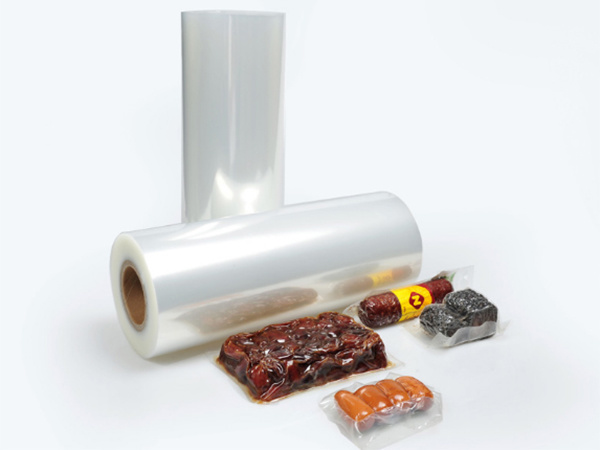
PE and PVDC fresh-keeping bags are relatively healthy, PE mainly used for packaging fruits and vegetables, PVDC mainly used for packaging cooked food and ham. Although polyvinyl chloride fresh-keeping bags are widely used for food and vegetable outer packaging, they pose potential harm to the human body. The harm mainly comes from two aspects: one is the residual amount of vinyl chloride monomer in the product, and the other is the types and amounts of processing aids used during manufacturing. Two substances in polyvinyl chloride are carcinogenic: one is vinyl chloride monomer, and the other is DEHA plasticizer. If VCM content is within 1pm( one part per million ) ), it is non-toxic; exceeding this limit may cause carcinogenic risks; plasticizers release at high temperatures and are harmful to humans. Therefore, the country prohibits PVC companies from using plasticizers and bans the use of PVC fresh-keeping bags for packaging meat, cooked food, tofu, and other directly edible foods.
PVDC It has excellent moisture resistance and oxygen resistance, and its oxygen resistance is not affected by environment and humidity. In other words, it has excellent ability to block water vapor, oxygen, odors, and aromas at any temperature or humidity, recognized as one of the plastic packaging materials with good comprehensive performance. Utilizing PVDC its gas barrier properties can greatly delay food oxidation and spoilage, extend product shelf life, prevent loss of internal aroma, and block external unpleasant odors; with its moisture resistance, it prevents product drying and poor taste due to water loss, and packaging shape will not be damaged by water absorption, thus preventing natural loss of measured products. Barrier performance does not change with humidity; even in high humidity environments, it will not cause product spoilage; its low permeability prevents flavor loss, ensures flavor integrity, and does not absorb residual or abnormal odors. ( Especially when packaging low-fat or high-protein foods. ) Excellent weather resistance; even after long exposure outdoors or direct sunlight, packaging will not fade or age. Healthy and environmentally friendly, meets food hygiene requirements, certified by FDA, ensuring food packaging health. Mainly used in cheese, soup, snacks, steaming bags, medical packaging, dry food packaging, biscuits, grains, bean product packaging, electronic product packaging, stretch film, sauces, meat products, chemical packaging, and other fields.
When choosing odor-proof Odor Mixing bags, pay attention to the following points: 1. Pay attention to the material on the product label: PE Now widely used in food packaging; PP has high transparency, mainly used for packaging bread and small snacks. PVC Bags can also be used to package vegetables, fruits, and other perishable foods but cannot be used for oily foods or microwave heating. PVDC With cost reduction and many advantages, it is gradually chosen by more and more people. 2. When heating food in a microwave, choose fresh-keeping bags with " microwave oven dedicated ” ". 3. Refrigerated and frozen foods in the fridge should use fresh-keeping bags, not ordinary plastic bags. Odor-proof Odor Mixing bags have special processes and raw materials with good breathability and freshness preservation, while ordinary plastic bags cause food to rot and spoil over time and cannot preserve freshness. 4. It is recommended to prioritize colorless transparent Odor-proof Odor Mixing bags 。
Recommended Reading
What is an easy-peel film? What is it used for?
2024-08-02
Difference Between Shrink Film and Cardboard
2022-07-04
Introducing You to Skin-Fitting Film
2022-06-22
Get Industry Solutions Online
If you have any product-related questions, feel free to contact us!
Add WeChat
