

Application Fields
PVDC resin and film have excellent gas barrier properties, characterized by superior barrier to water vapor and oxygen. Based on this feature, its application fields include:
● Military Industry ● Electronics ● Food ● Chemical Industry ● Pharmaceuticals ● Precision Instruments and other fields.
Current Status of Meat Product Packaging Development
With the rapid development of China's economy and the continuous improvement of people's living standards, Chinese consumers' attitudes towards meat consumption have changed significantly. Low-temperature meat products are increasingly favored by the public, which in turn places higher demands on the packaging industry. It is well known that low-temperature meat products are popular among consumers for their good taste and minimal nutrient loss, but for manufacturers, high return rates and difficulty in preservation are troublesome issues.
In the past, PA materials were often chosen as the main functional packaging material due to cost considerations, but product spoilage caused by bag swelling and air leakage often caused great headaches.
The market is seeking a high-quality packaging material that can extend the shelf life of low-temperature meat products. Transparent high-barrier packaging materials have been a focus of development in recent years to meet market demands. Representative products include PVDC composite films, EVOH co-extruded films, and aluminum foil composite films, which have developed rapidly in aseptic processing, semi-aseptic processing, and pasteurization of low-temperature meat products.
Aseptic and semi-aseptic packaging technologies were first developed and applied to Western-style meat products. Using aseptic flexible packaging materials, meat products sterilized in aseptic environments can maximally retain the original flavor of the food, and products circulate under low-temperature conditions.
Western-style round hams, square hams, and sliced meat products mostly use semi-aseptic packaging technology due to the difficulty of aseptic treatment. Packaging materials include high-barrier multilayer aseptic films or sheets co-extruded from PVDC, EVOH, PE, PA, and other materials. Aseptic and semi-aseptic packaging technologies for Chinese-style meat products preserve the original flavor, extend shelf life, and have very broad application prospects.
Additionally, pasteurization packaging technology involves heating the meat products after packaging for pasteurization and then rapidly cooling them to eliminate microbial contamination during packaging.
Currently, through years of technological innovation, capital investment, and full competition, China's low-temperature meat product packaging industry has formed its distinctive Chinese characteristics. Many meat product companies, considering food safety control, packaging cost control, and using new packaging products to promote the development of new meat products, have successively established their own packaging production lines.
Because PVDC single-layer films have been widely used in high-temperature sausage packaging for more than 20 years, meat product companies are very familiar with and satisfied with its excellent performance in meat product packaging, which has also created a special preference for PVDC packaging films among meat product companies.
Previously, new products that could not be produced due to packaging material limitations have been revitalized and quickly industrialized.
Shuanghui Group has been at the forefront of China's low-temperature meat product development in recent years and has led the development of low-temperature meat products in China, which is directly related to the development of PVDC multilayer co-extruded high-barrier packaging films. Before using PVDC multilayer co-extruded high-barrier packaging films, domestic meat product companies also used EVOH multilayer co-extruded packaging films for low-temperature meat products.
However, because meat products contain high moisture and require minimal moisture loss before consumption, leading domestic meat product companies are gradually shifting to using PVDC multilayer co-extruded high-barrier packaging films.
Application of PVDC High-Barrier Films in Meat Products
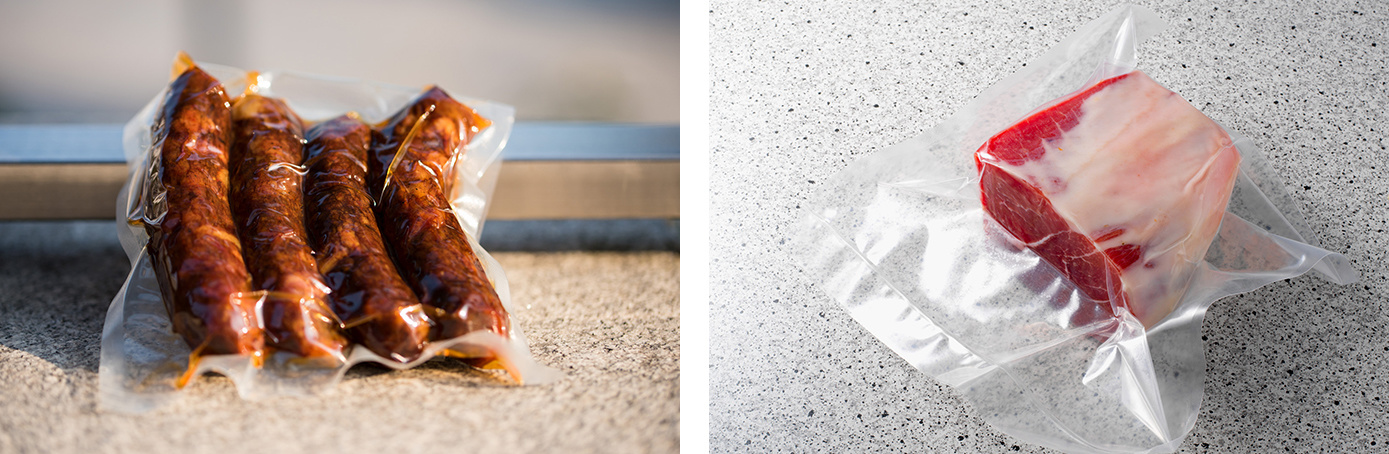
1. After meat products absorb or lose water, the product's taste, texture, and content volume will change; the oxidation of hemoglobin in meat products turns into methemoglobin, causing product oxidation, darkening, water exudation, and discoloration.
2. The molecular structure of PVDC contains hydrophobic chlorine groups, making its oxygen barrier property unaffected by humidity; PVDC's low oxygen permeability effectively prevents food oxidation and spoilage, preserves food aroma, and prevents the entry of external harmful gases.
Application of PVDC High-Barrier Films in Pharmaceutical Packaging
1. Most solid oral medicines become ineffective after moisture exposure. Stability studies under ICH (International Conference on Harmonisation of Technical Requirements for Registration of Pharmaceuticals for Human Use) show that effective control of relative humidity reflects the critical humidity state. This applies to antibiotics, anti-tuberculosis drugs, vitamins, calcium-zinc compounds, analgesics, health supplements, cardiovascular drugs, enzymes, oxygen scavengers, antihistamines, and traditional Chinese medicines.
2. Commonly used blister packaging materials are PVC (polyvinyl chloride) rigid sheets and PVDC (polyvinylidene chloride). PVC is an amorphous material often mixed with stabilizers, lubricants, processing aids, colorants, reinforcements, and other additives. PVC has flame resistance, high strength, weather resistance, and excellent geometric stability. It resists oxidants, reductants, and strong acids. PVC is chosen for blister packaging due to good compatibility, ease of molding and sealing, and low cost; however, it has poor thermal stability and low barrier to water vapor and oxygen. PVDC composite materials are soft packaging materials with good barrier properties, usable under high temperature and humidity, and have similar other properties to PVC.

Application of PVDC High-Barrier Films in Rice Packaging
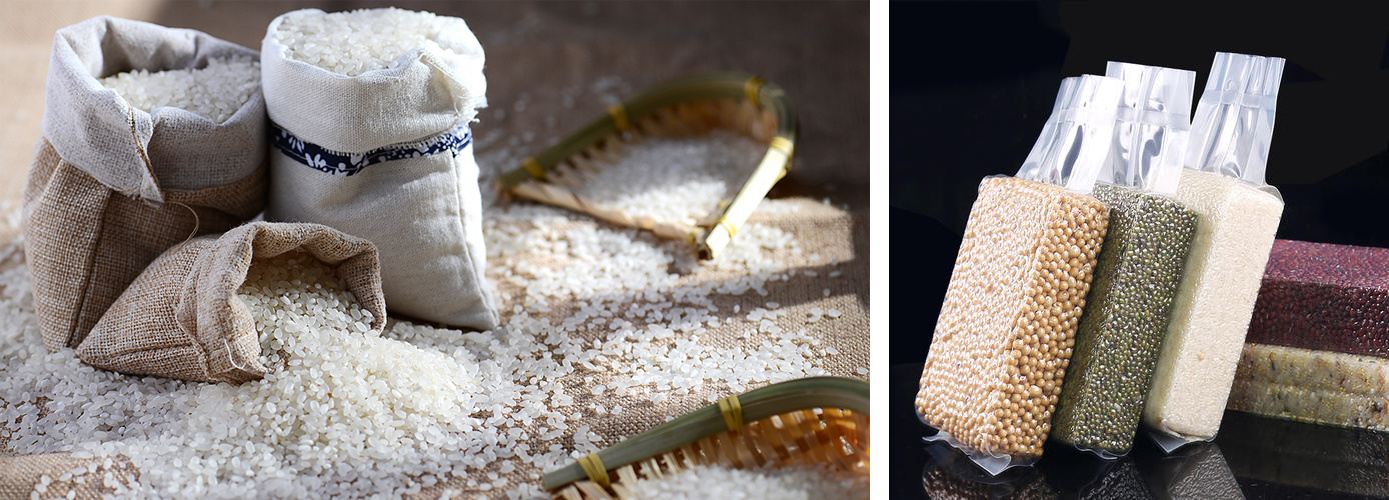
1. To maintain the flavor and freshness of rice, packaging materials require high water barrier properties. PVDC can provide water barrier properties that keep rice fresh and flavorful; it prevents natural loss (weight loss) of rice and effectively blocks external moisture from causing mildew.
2. With low gas permeability, PVDC provides excellent performance in preventing aroma loss and fully preserving aroma (important for zero-fat rice), and effectively blocks external harmful gases; its gas barrier does not change with increased environmental humidity, reducing rice processing and storage costs, expanding sales regions, and effectively extending rice shelf life.
Therefore, packaging rice with PVDC has advantages that other flexible packaging materials do not have, providing excellent protection for rice's color, aroma, and taste, allowing companies to offer consumers safe, reliable, and high-quality rice.
Application of PVDC High-Barrier Films in Milk Packaging
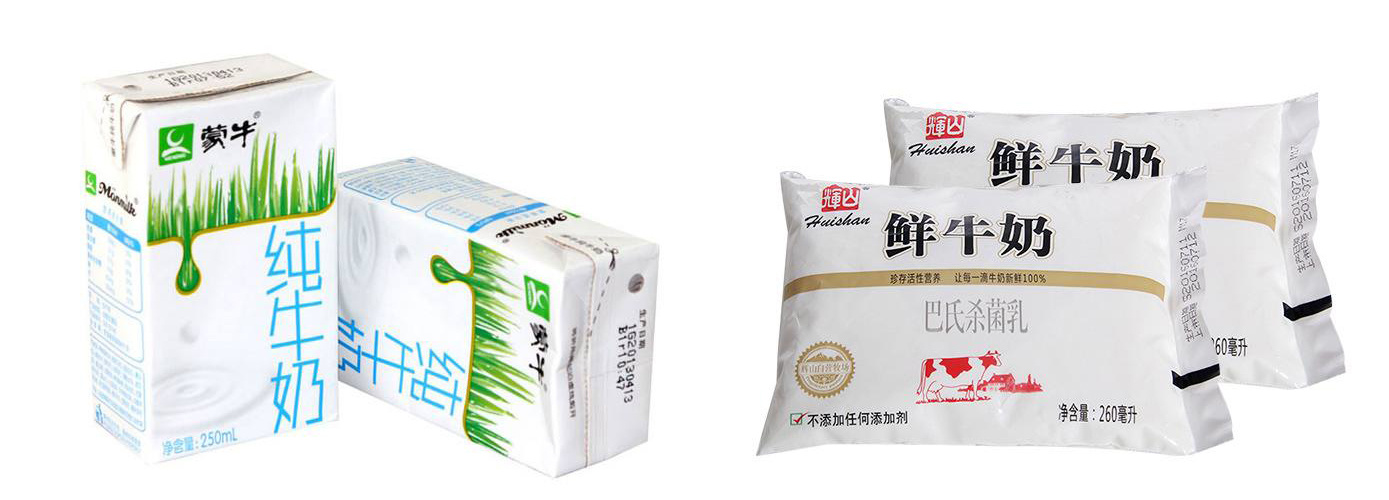
1. Flavor barrier and commercial sterility: The test product was directly soaked in a concentrated grass flavor aqueous solution for 7 days, with no milk flavor cross-contamination; commercial sterility was also good and qualified after 10 days.
2. Sunlight exposure damage: Placed on a windowsill, exposed to sunlight for an average of 1 hour per day, after 3 days the taste did not change; after 7 days the taste changed; stored at room temperature away from light for 10 days, the taste did not change.
Other applications of PVDC high barrier film
1. In the military industry, PVDC high barrier film has low water permeability and is an ideal moisture-proof packaging for explosives.
2. In industry, it can be used for packaging precision instruments and electronic components that require high oxygen and moisture resistance.

Get Industry Solutions Online
If you have any product-related questions, feel free to contact us!
Add WeChat
