

A PVDC stretch film with better barrier properties
Release Time:
2022-01-06
Author:
Source:
Summary
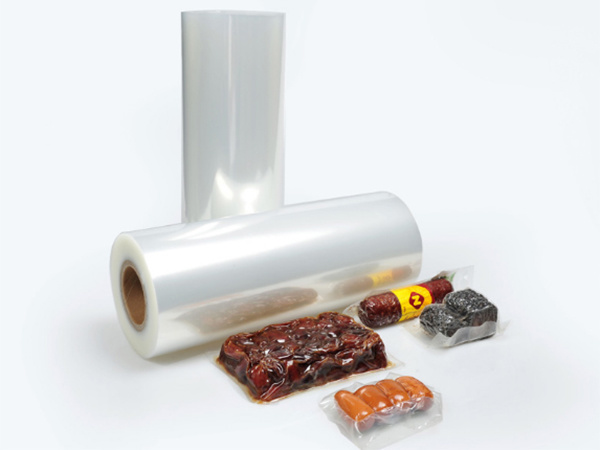
PVDC, scientifically known as "Polyvinylidene Chloride," is a non-toxic, odorless, and reliable high-barrier material. In addition to the general properties of plastics, it also features oil resistance and corrosion resistance, making it widely applicable in industries such as food packaging. PVDC stretch film is a type of co-extruded film that possesses most characteristics of composite films. Since the layers of PVDC stretch film are bonded by heat melting rather than adhesives, the health safety of co-extruded films for food packaging should be relatively reliable. Co-extruded films exhibit stretch properties during processing, and the strength of the plastic increases accordingly after stretching. Nylon, metallocene polyethylene, and other plastic materials can be added in the middle layers to provide composite strength exceeding that of ordinary plastic packaging, with no delamination, good flexibility, and excellent heat-sealing performance.
In film processing, extruding one raw material onto another film or bonding different types of films together to form multilayer films is called composite film. Most composite films are made of plastics, but paper, metal foil (usually aluminum), or fabric can also be used. The basic requirement for composite films is good adhesion between layers to ensure the overall mechanical performance of the packaging. Additionally, composite films are mostly used in food packaging, and the processing of composite films should use adhesives; the choice of solvents and bonding processes must comply with relevant hygiene standards.
PVDC can withstand heating times of 6-8 minutes within the temperature range of 150-170°C, and less than 30 seconds within 210-220°C; the heating temperatures for extrusion materials are: PE 160-170°C; EVA 160-180°C; PA adhesive at 200°C, and PA should be molded at 220°C to ensure its low leveling property. Therefore, in the structural design of co-extruded stretch films, the heating temperature and heating time of different materials need to be considered.
To address the above technical issues, technicians have provided a 7-layer co-extruded PVDC stretch film composed from outside to inside of polyamide, titanium, polyethylene, ethylene-vinyl acetate, PVDC, ethylene-vinyl acetate, and polyethylene. This 7-layer co-extruded stretch film is prepared using a PVDC multilayer co-extrusion die, which has multiple annular or conical mandrels. Around the mandrels, there are multiple die layers for extruding different materials; inside the die layers are flow channels from the molten thermoplastic material inlet to the annular extrusion outlet; the PVDC extrusion layer has multiple flow channels connected to the extruder, with several channels forming a spiral shape in the middle; the flow channels for PP, PE, and EVA all use dead-zone-free channels.
The advantages of this PVDC stretch film are: the 7-layer co-extruded stretch film has EVA on both sides of the PVDC layer, with only one side of the PVDC layer containing TIE, and PVDC has very high barrier properties. Therefore, the side without TIE contacts the food, overcoming the drawbacks of the above adhesives; the stretch depth can reach 6 centimeters, suitable for product packaging requiring deep stretching and high strength, and can also be used for light packaging of meat products and packaging of seafood and dairy products.
Recommended Reading
What is an easy-peel film? What is it used for?
2024-08-02
Difference Between Shrink Film and Cardboard
2022-07-04
Introducing You to Skin-Fitting Film
2022-06-22
Get Industry Solutions Online
If you have any product-related questions, feel free to contact us!
Add WeChat
