

PVDC multilayer coextruded film: Differences between coextruded film and composite bags
Release Time:
2020-09-17
Author:
Source:
Summary
PVDC multilayer co-extruded film is produced by a blow molding machine that directly performs double-layer co-extrusion blowing process, while composite bags are made by a laminating machine using strong adhesive lamination process to bond plastic films together.
Composite bags use microporous membrane or Dow reverse osmosis membrane as the support layer, covered on its surface with a high-density homogeneous membrane with a thickness of 0.1 to 0.25 μm as the barrier layer, which greatly enhances the permeability of chemicals.
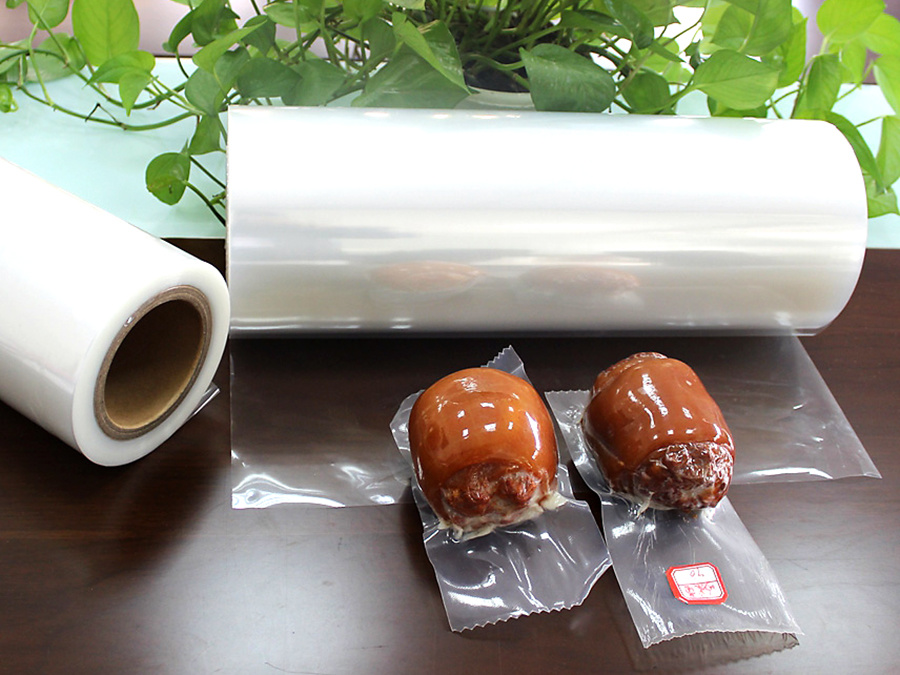
High barrier PVDC multilayer co-extruded film. The raw materials of composite bags may include possible material combinations, such as ceramic membrane coated on hydroxide or aromatic acrylic resin plastic film coated on polysulfone microporous membrane. The flat or roll film must be reinforced with non-woven fabric to support the compressive strength of the microporous membrane, while the film itself does not use co-extrusion lamination process but is produced by several extruders extruding specified materials in molten state to create a new multifunctional plastic film. Food grade PVDC multilayer co-extruded film.
High barrier PVDC multilayer co-extruded film. Using a single processing procedure can produce double-layer, intelligent composite plastic film, avoiding multiple lamination processes, reducing cost, energy consumption, and raw material expenses, with less pollution during processing and minimal residual active solvent coatings. Compared to other lamination processes, it can save about 30% of product costs. This type of plastic film can be configured with different dual components according to customer requirements to meet different barrier and cost demands. Food grade PVDC multilayer co-extruded film.
With the improvement of packaging printing, packaging, sealing, protection, handling, and warehousing logistics requirements for products, a single plastic material can no longer meet these demands. Therefore, double-layer materials can be used to combine the respective advantages. In plastic film production, one material is extruded onto an already formed plastic film or different types of plastic films are bonded together to form double-layer plastic film, known as composite bags.
The raw materials of composite bags are mostly plastic, but paper, metal foil (usually aluminum), or textiles can also be used. The basic requirement for composite bags is good adhesion between layers to ensure the overall physical performance of the packaging.
Additionally, composite bags are mostly used for food packaging. During production, adhesives must be used, and the choice of organic solvents and bonding processes must meet corresponding quality standards. PVDC multilayer co-extruded film has most of the characteristics of composite bags but differs in that all layers of high barrier PVDC multilayer co-extruded film are extruded simultaneously, so there are no other non-plastic materials like aluminum foil or paper.
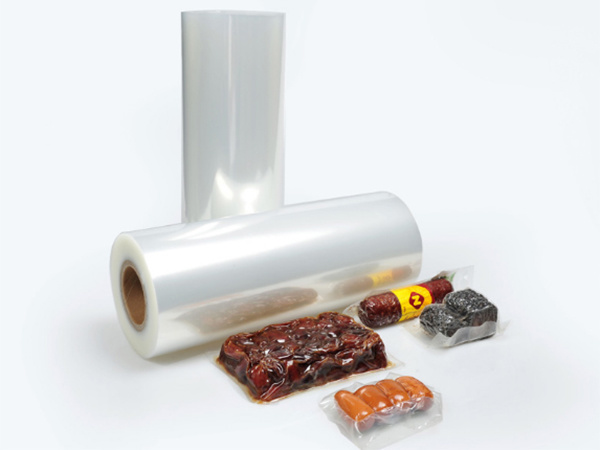
Food grade PVDC multilayer co-extruded film. The composition of its raw materials is relatively simple, and its application range is smaller, but because the layers are bonded by thermal fusion without adhesives, the environmental hygiene safety of PVDC multilayer co-extruded film for food packaging is relatively reliable.
Recommended Reading
What is an easy-peel film? What is it used for?
2024-08-02
Difference Between Shrink Film and Cardboard
2022-07-04
Introducing You to Skin-Fitting Film
2022-06-22
Get Industry Solutions Online
If you have any product-related questions, feel free to contact us!
Add WeChat
