

Thermoforming Film Manufacturer: Why Is Purchasing Thermoforming Film the Best Packaging Solution for Beef Steaks?
Release Time:
2020-09-28
Author:
Source:
Summary
Manufacturer of Vacuum Skin Packaging Film. For customers, refrigeration and convenience are factors of packaging, but for the industry, beyond these factors, much more consideration must be given to "sustainability."
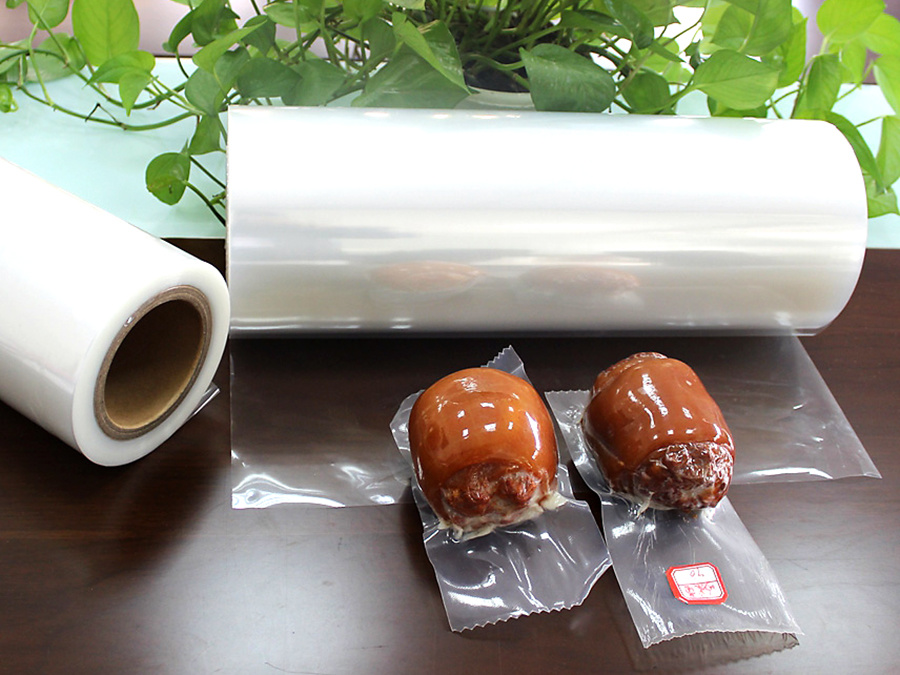
It is estimated that 33% of all fresh food we produce is never consumed. This equals 1.3 billion tons of food, accounting for 8% of the world's carbon dioxide emissions. Moreover, the majority of landfill waste is food waste.
Manufacturer of Vacuum Skin Packaging Film. "Responsible packaging" is a newly emerging concept referring to packaging that not only extends the refrigerated shelf life of long-lasting food but is also sustainable and promotes a green economy. With the clear proposal of this concept, fresh chilled products have a new development trend. Meat and seafood products have shifted from using inflated packaging to purchasing vacuum skin packaging film.
Purchasing vacuum skin packaging film is becoming increasingly popular in Asia, attracting the increasingly affluent middle class with diverse, high-quality appearances. Vacuum skin packaging film clings to products like skin, protecting food quality by inhibiting microbial growth, preventing product dehydration, reducing fat oxidation, preserving vitamins, and maintaining food flavor.
Juice is crucial in determining the flavor of steak. Without juice, no matter how well the steak is cooked or how timely the doneness, it lacks a hint of the rich beef flavor when eaten.
Manufacturer of Vacuum Skin Packaging Film. The juice of steak is commonly referred to as "steak blood," but it is not blood; it is myoglobin. It often appears dark red because myoglobin contains hemoglobin molecules.
Manufacturer of Vacuum Skin Packaging Film. During the proper slaughtering of cattle, the process of bleeding is carried out. Except for a small amount of coagulated blood possibly remaining in internal organs, the muscles throughout the body basically contain no blood. High-quality beef undergoes processes such as aging and slow cooking to further remove residual blood, which is why good beef does not require blanching to remove blood during cooking. Beef sold on the market generally does not contain "blood," so when cutting into medium or rare steak, the "blood" that flows out is not blood but myoglobin.
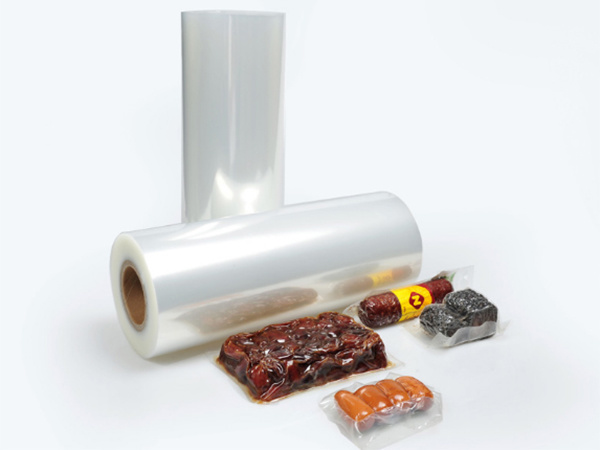
The juice that flows out after cutting steak is a solution formed by myoglobin mixing with water at high temperatures. This not-so-appealing "blood" is actually the precious and delicious "juice" of the steak.
Recommended Reading
What is an easy-peel film? What is it used for?
2024-08-02
Difference Between Shrink Film and Cardboard
2022-07-04
Introducing You to Skin-Fitting Film
2022-06-22
Get Industry Solutions Online
If you have any product-related questions, feel free to contact us!
Add WeChat
